+254 703117940
Why zero-waste?
Miyawyech established a composting facility that turns organic waste into organic fertilizers and that initiative not only enabled us to timely pick-up food waste generated in markets and households, but also upscale the output from the composting and bio-digester facilities to a crucial farm input, organic fertilizer, which goes a long way to ensure food security.
Zero-waste initiatives create jobs in recycling, waste collection, composting, and upcycling. By turning waste into resources, communities can stimulate local economies and support small businesses. Households also save money through reuse, repair, and reduced waste-related costs.
Proper waste management improves public health by reducing exposure to toxic fumes, air pollution, and water contamination. Safer living environments result from the reduction of diseasecarrying pests, illegal dumps, and waste accumulation. Healthier surroundings contribute to overall well-being, particularly in densely populated areas.
Zero-waste advocacy drives the creation of equitable waste management policies that ensure fair and consistent services for all communities. Stronger waste infrastructure, including recycling centers and composting facilities, improves efficiency and access. Together, policy and advocacy advancements lay the foundation for sustainable and scalable waste solutions.
Zero waste helps reduce pollution in the air, water, and soil caused by illegal dumping, open burning, and landfill overflows. Cleaner neighborhoods and smarter waste practices protect natural resources by encouraging reuse, recycling, and composting. This reduces the pressure on the environment and helps preserve it for future generations.
Zero waste empowers communities by engaging youth, women, and marginalised groups to lead and participate in waste management solutions. Collaborative actions, like clean-up drives and waste education programs, foster stronger community bonds. These initiatives also increase awareness, encouraging long-term behavior change toward sustainability.
A Story of Community, Innovation and a Greener Future
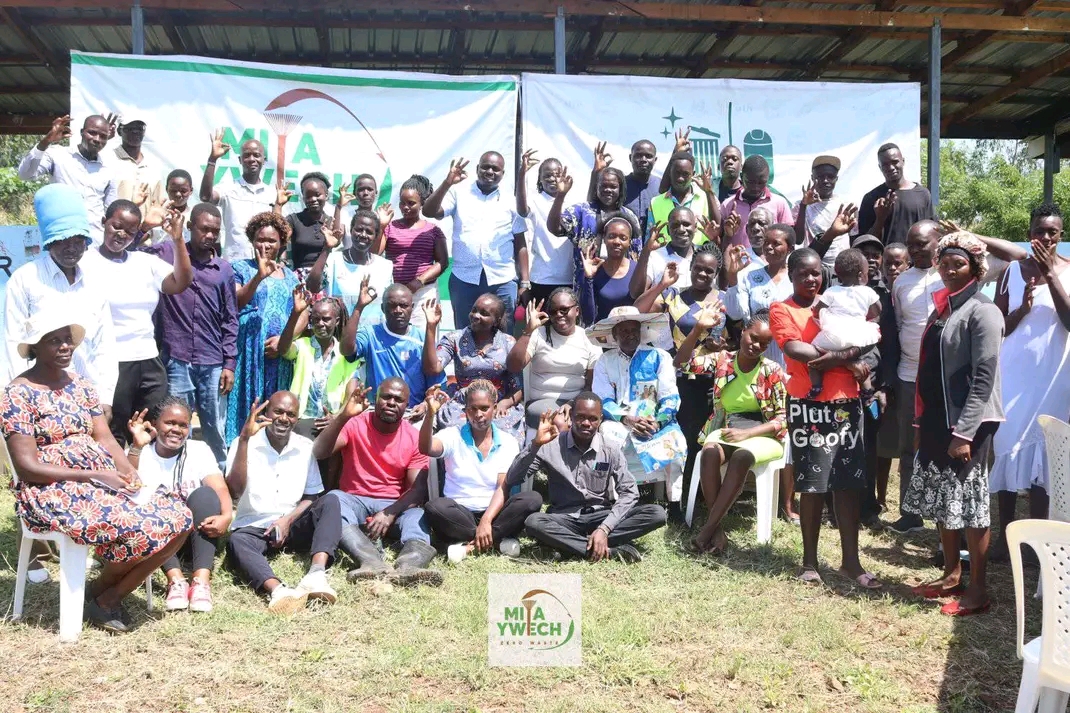
The journey began with deep community engagement, starting with a co creation workshop that brought together key stakeholders to define the project roadmap. This phase wasn’t just about raising awareness, it was about thoroughly understanding Kisumu’s waste landscape. Research revealed critical gaps, including poor policy enforcement, fragmented efforts among waste actors, and low community awareness. To address these challenges, the project started small, launching activities like art shows, festivals, and clean-up drives to spark interest and foster a sense of collective responsibility.

After engaging the community, we focused on uniting key stakeholders under a shared vi sion. This effort led to the formation of the Miya Ywech Association (“Give Me the Broom” in local dialect), bringing together four community-based organisations to drive collective action. To enhance leadership and coordination, the Association’s Secretariat was formally established, providing struc tured oversight and operational support. Capacity-building efforts were prioritised which equipped the Secretariat and founding members with best practices in waste management. Meanwhile, the groundwork for waste processing was laid with the start of the construction of a Material Recovery Facility (MRF), a significant milestone supported by the Kisumu County Government (Through the City Management), which facilitated access to land for the project.
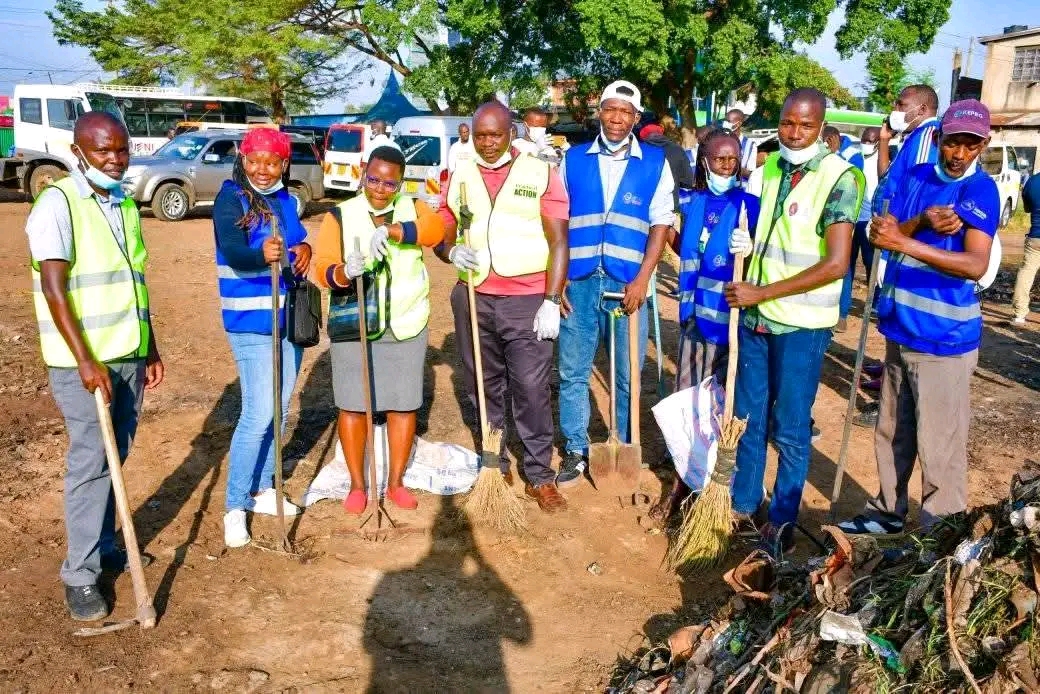
Building on the foundations laid in Phases 1 and 2, Phase 3 aims to operationalise the Materials Recovery Facility (MRF) and ensure the long-term sustainability of the Miya Ywech initiative. While still a work in progress, efforts are focused on launching the Buy-Back Center and formally establishing a cooperative to empower waste workers and streamline income generation.